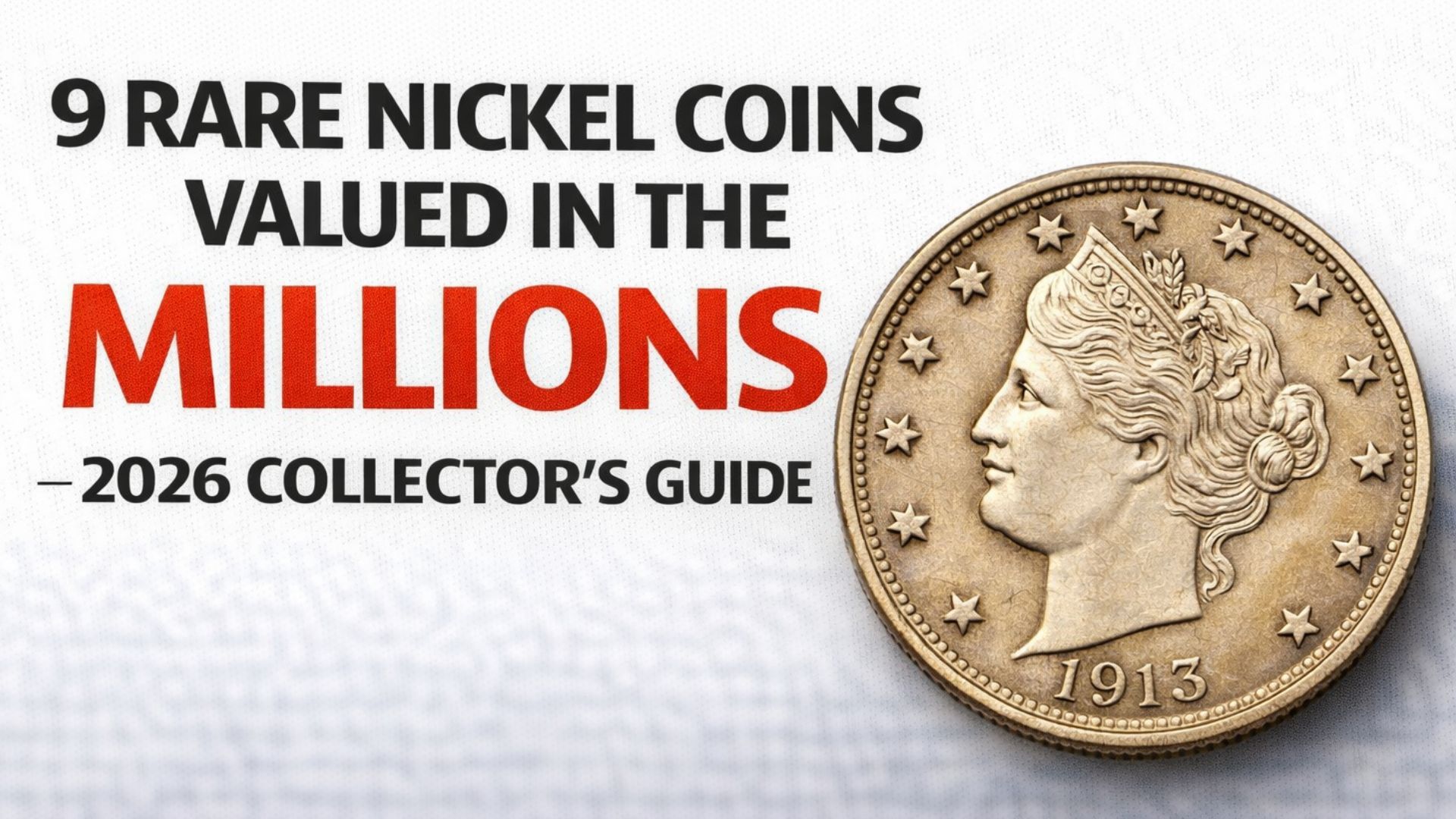
Rare coin collecting, once a niche hobby, has blossomed into a significant investment opportunity, with nickels emerging as particularly valuable gems. As collectors in 2026 continue to seek coins rich with history and rarity, certain rare and error nickels stand out, commanding prices that reach into the hundreds of thousands or even millions of dollars. These seemingly ordinary pieces of change have become prized collectibles due to their scarcity, unique production anomalies, and compelling backstories.

The Enigmatic 1913 Liberty Head Nickel
One of the most illustrious coins in American numismatic history is the 1913 Liberty Head Nickel. These coins are shrouded in mystery because official records indicate that the minting of this design ceased in 1912. Yet, five coins exist bearing the 1913 date. This anomaly has fascinated collectors for decades, as their unauthorized creation adds an air of intrigue and scarcity that elevates their value into the multi-million-dollar range. Each coin has a well-documented provenance that only amplifies its allure whenever it appears at auction.
Error Coins: Mistakes Worth Fortunes
Mistakes can sometimes turn an ordinary object into a treasure trove, especially true for coins like the 1918 over 1917-D Buffalo Nickel. This coin features a striking error where a previous date remains visible beneath the new one—an overdate mistake that collectors highly prize. The rarity of high-quality examples enhances its desirability among numismatists who appreciate visible minting errors as valuable conversation pieces.

Another celebrated mint error is found in the 1937-D Buffalo Nickel with its missing leg. Excessive die polishing inadvertently erased one of the buffalo’s front legs, creating an iconic error that is easily recognizable and much sought after by collectors. This particular mistake exemplifies how a production mishap can transform a standard coin into a coveted collector’s item.

The Rarity Factor: Low Mintage Nickels
Some nickels achieve their high value not through errors but simply by being produced in very limited numbers. The Shield Nickels from the late 1800s, notably those minted in 1879, 1880, and 1881, are prime examples. These coins were created during a period when demand for nickels was low; many were melted down over time, leaving only scant few in circulation today. Collectors who discover these rare pieces in pristine condition can command exceptionally high prices due to their historical significance and scarcity.
The 1926-S Buffalo Nickel further exemplifies this phenomenon. Many of these coins were heavily circulated and worn down over time, making well-preserved specimens exceedingly rare and thus highly valued.

Modern Marvels: The Value of Newer Nickels
Not all valuable nickels hail from distant history; some modern coins also hold significant worth due to low mintage numbers or unique features. The 1950-D Jefferson Nickel stands out as it has the lowest mintage of its series. While circulated versions are relatively common, uncirculated examples can fetch impressive sums at auction. Meanwhile, wartime nickels with notable errors like doubling (such as a doubled eye on Jefferson) carry historical intrigue that captures the interest of both collectors and historians alike.
A Collector’s Dream: Investing in History
As we move through March 23, 2026, interest in rare nickel coins shows no signs of waning. Collectors and investors alike are drawn to these small metal discs not only for their monetary value but also for what they represent—tangible pieces of American history encapsulated in nickel alloy form. Their stories span epochs, recounting tales from clandestine mint productions to accidental errors-turned-masterpieces and offering an entryway into understanding bygone eras through collectible artifacts.
Disclaimer: This article provides general information on rare nickel collecting trends as observed up to March 23, 2026. Market values can fluctuate significantly due to numerous factors including market demand and coin condition; thus this should not be taken as specific financial advice or guidance for investment decisions. Always consult with a professional numismatist or financial advisor before making investment choices based on collectible assets.