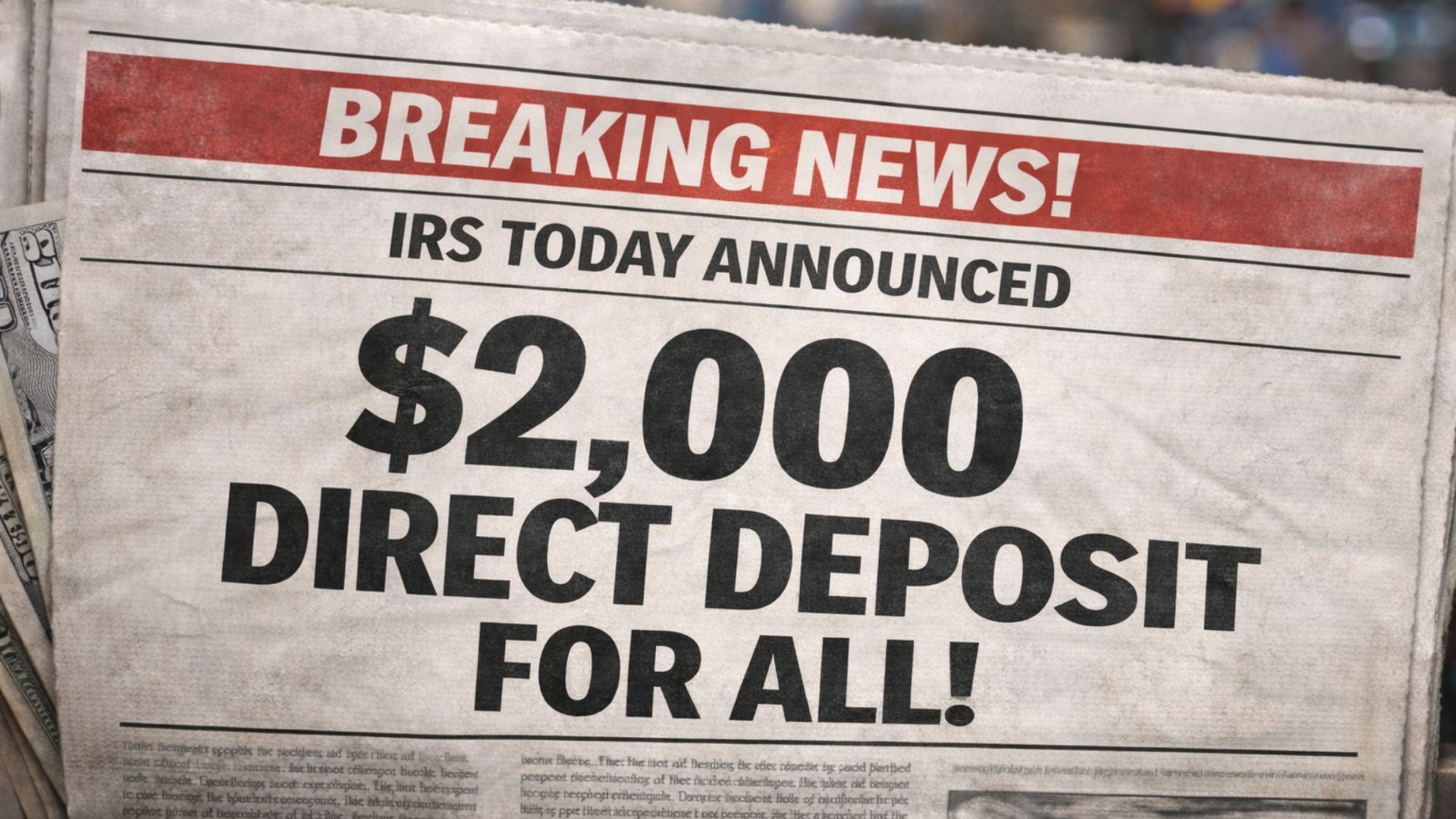
As the financial landscape of early 2026 takes shape, Americans are keenly focused on their economic well-being, especially in light of recent announcements from the Internal Revenue Service. The IRS has introduced a one-time $2,000 direct deposit for eligible low- and middle-income individuals and families, designed to alleviate some of the pressures of rising living costs such as rent, food, and utilities. This measure brings cautious optimism as households across the nation brace against winter expenses and other financial burdens.

Understanding the $2,000 Direct Deposit
The $2,000 payment scheduled for March 24, 2026, is a special relief measure distinct from regular tax refunds or loans. It is a standalone initiative meant to provide immediate financial relief without needing repayment. The IRS plans to leverage existing taxpayer information from 2024 or 2025 federal tax returns to expedite the distribution process. This approach eliminates the need for a separate application process, thereby ensuring that funds are allocated swiftly to those who qualify.
Eligibility Criteria for Recipients
Eligibility for this IRS initiative is contingent upon several factors including income limits, filing status, residency requirements, and valid identification. Individuals who submitted a tax return for 2024 or utilized the IRS Non-Filer portal may qualify if they meet the prescribed income thresholds. Additionally, possession of a valid Social Security number and residing in the United States for at least six months during 2025 are essential qualifications. Households with dependents might be eligible for a larger sum depending on their specific tax circumstances.

Distribution Timeline and Process
Direct deposits commenced on March 24, 2026, with disbursements occurring in phases rather than a single sweep. Taxpayers who have direct deposit information on record with the IRS will be prioritized in receiving their payments first. Those without banking details provided will subsequently receive a paper check via mail later in March. The exact timeline may vary due to bank processing times and verification procedures.

Importance of Updating IRS Records
While most eligible individuals will receive their payments automatically, maintaining current records with the IRS remains crucial. Taxpayers are urged to ensure that their mailing addresses and bank account information are up-to-date to avoid any delays or missed payments. For those who have recently changed residences or banks, updating this information via the official IRS online portal is recommended. Accurate and current filings reduce the risk of processing hitches.
Partial Eligibility Considerations
For individuals whose income marginally exceeds the eligibility threshold, partial payments may still be an option. The IRS will assess these cases based on detailed reviews of taxpayers’ 2024 returns to ensure equitable distribution of assistance among households under financial pressure. This nuanced approach aims to extend support beyond fixed income brackets to include those slightly above threshold levels who nevertheless face economic challenges.

The $2,000 direct deposit from the IRS is a strategic effort aimed at providing necessary relief amidst economic strains prevalent at the start of each year. While not every qualified recipient will receive the full amount due to varying eligibility criteria and income specifics, proactive measures like staying informed about updates and ensuring accurate personal records can prevent potential oversights. Ultimately, this payment serves as temporary support intended to assist households in managing essential expenses during these demanding times.
Disclaimer:
This article is for informational purposes only and does not constitute financial advice. For specific guidance regarding your situation or eligibility for the IRS payment described herein, please consult with a financial advisor or directly contact the Internal Revenue Service.