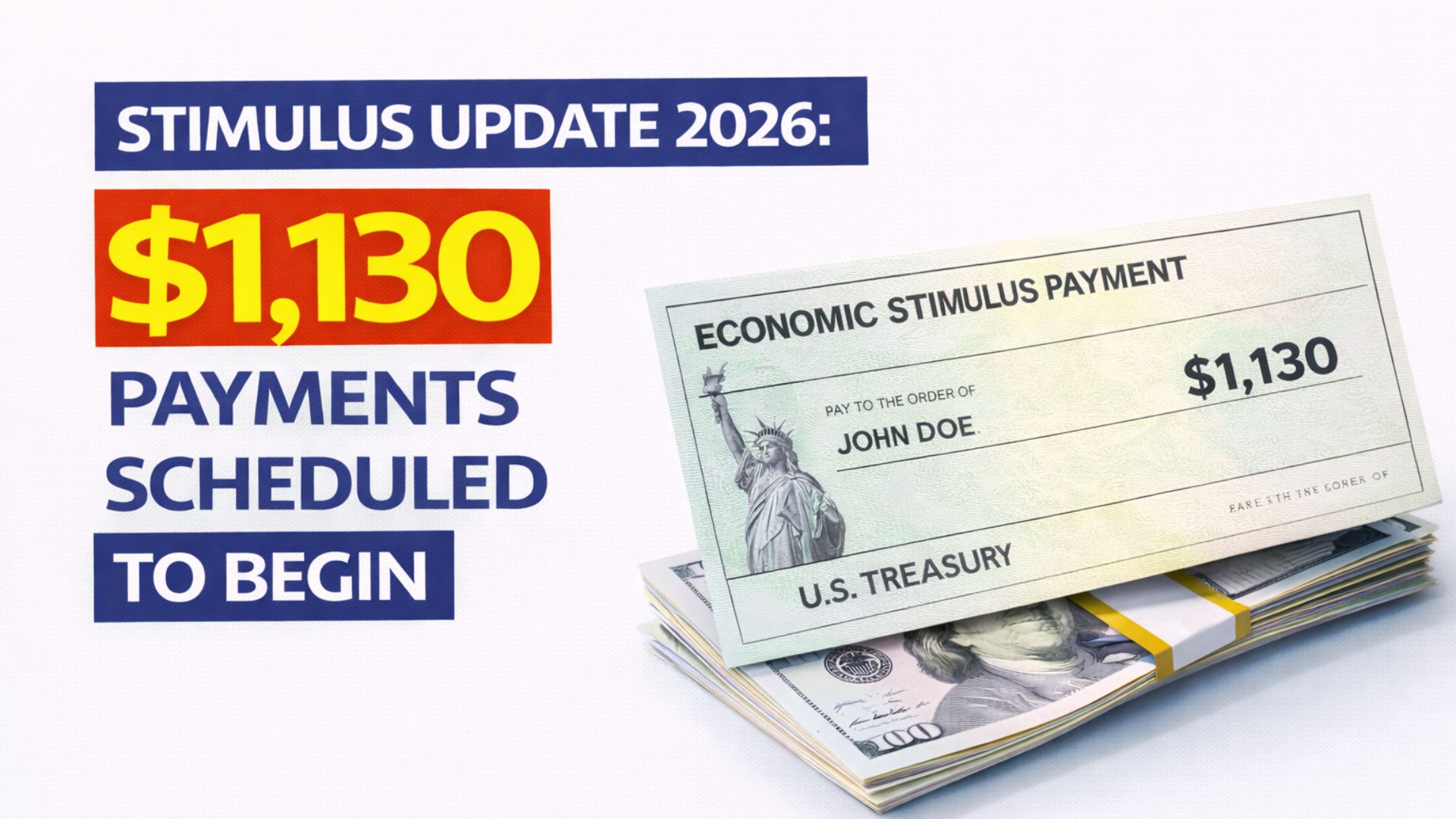
As March 23, 2026, approaches, discussions about a potential $1,130 stimulus payment are generating considerable interest among households grappling with escalating living costs. With prices for essentials such as food, rent, fuel, and healthcare steadily rising, any form of financial reprieve is viewed as critical. While the final details of this payment remain unconfirmed, there is growing policy discourse and budgetary signals indicating that targeted financial support is under serious consideration.

Targeted Financial Relief
The proposed $1,130 stimulus payment is being deliberated as a one-time measure intended to assist individuals in managing everyday expenses. Unlike the comprehensive stimulus checks distributed during the pandemic era, this payment is expected to be more selective and focused on those who genuinely need support. The rationale behind this strategy is twofold: to provide immediate relief to struggling households while stimulating economic activity through increased consumer spending. Policymakers are leaning towards direct financial assistance that can be delivered swiftly and efficiently to those who qualify.
Who Might Be Eligible?
Eligibility criteria for the stimulus payment are likely to mirror previous relief initiatives. The primary beneficiaries are anticipated to be low- and middle-income individuals and families. Additionally, seniors living on fixed incomes and individuals receiving specific government benefits may also qualify for this aid. Working families facing high costs due to inflation could find themselves eligible as well. Typically, eligibility depends heavily on residency status and tax filing records since government agencies use recent tax returns or benefit records to ascertain who qualifies for such payments. For individuals who have filed taxes recently or receive regular governmental assistance, automatic consideration is likely.

Payment Distribution Process
The $1,130 figure under discussion represents a one-time payment allocated per eligible individual; however, final provisions might adjust amounts for couples or households based on income levels and tax filing status. Should the plan receive approval, it is expected that payments will be distributed in phases starting with direct deposits into bank accounts on record with government agencies. Those without bank account information may subsequently receive paper checks or prepaid debit cards. It is important to note that due to the staggered nature of the distribution process, not everyone will receive their payments simultaneously.

Government entities often utilize existing records to dispatch stimulus funds efficiently. Income limits are likely predicated on the most recent tax filings available, while beneficiaries of certain government programs may be verified through systems like Social Security Administration records. If there have been changes in an individual’s income since their last tax filing, it might influence their eligibility or the amount they receive. In some scenarios, updating personal information through an official online portal may be an option provided by relevant authorities.
Staying Prepared
While awaiting final approval of the proposed stimulus plan, there are proactive steps individuals can take to prepare for potential disbursements. Ensuring your latest tax return is filed correctly and updating your banking information can preclude any delays in receiving your funds. Similarly, recipients of government benefits should make sure their contact details remain current with respective agencies. As rumors and misinformation often spread rapidly via social media during such periods of economic uncertainty, it’s crucial to rely solely on official announcements from credible government sources.

For many families and individuals contending with immediate financial pressures, a $1,130 payment could offer much-needed short-term respite by helping cover essential expenses like groceries or utility bills. Though this amount may not resolve long-standing financial difficulties completely, it provides a temporary cushion amid persistent economic challenges.
Disclaimer: The information provided in this article is based on discussions and policy considerations as of March 23, 2026. Final details about eligibility and distribution of any potential stimulus payments will depend on legislative processes and official governmental announcements. Always consult reliable sources for updates and beware of misinformation or scams related to potential financial relief measures.